

The Learning Cycle
Teaching, Learning and Assessment
At Market Field College, our approach to teaching and learning is rooted in an inclusive, purposeful and ambitious curriculum that supports all learners to make meaningful progress from their individual starting points. This intent is realised through CLEAR planning, which ensures learning is well sequenced, accessible and focused on what learners need to know and do.
Teaching is designed adaptively to anticipate learner variation and embed support from the outset. This adaptive approach is enacted primarily through responsive, relationship‑based teaching, supported by feedback that moves learning on and meaningful assessment that captures progress across understanding, independence and effort. Teaching adapts in the moment and over time, informed by assessment evidence and professional dialogue.
The impact of this approach is seen in learners’ increased confidence, independence and engagement, alongside sustained progress across academic, vocational and personal development pathways, ensuring learners are well prepared for learning, life and work.
The Market Field Learning Cycle
At Market Field College, teaching, learning and assessment operate as a clear, connected and adaptive cycle. This ensures learning is purposeful, accessible and continually shaped by learners’ progress.
Our approach is built around five core stages, which together support all learners to make meaningful progress from their individual starting points.
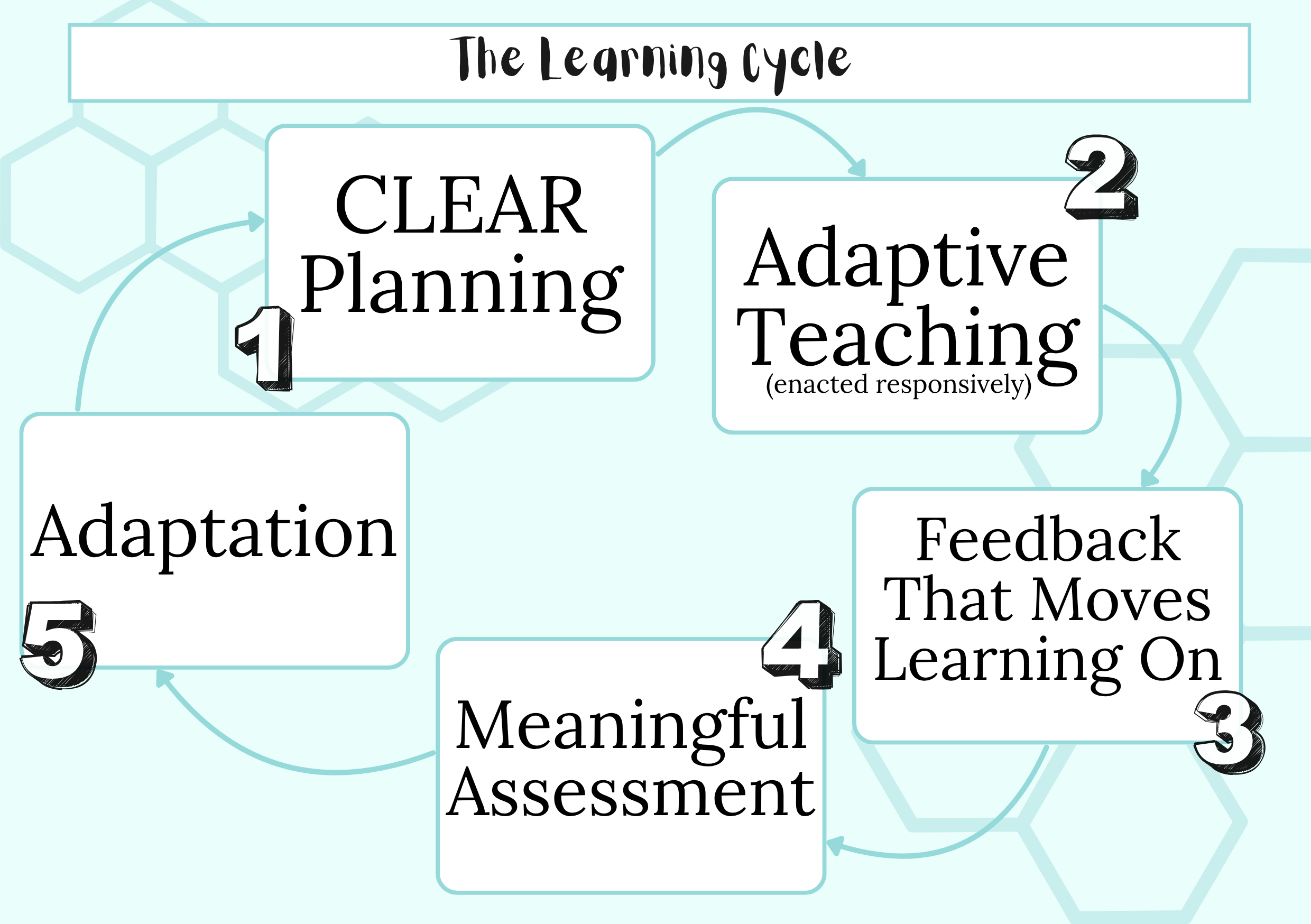
1. CLEAR Planning
Learning begins with CLEAR planning, which supports all learners to understand what they are learning and why it matters. Learning is structured into manageable steps, with individual support needs considered in advance to help learners engage confidently and successfully.
CLEAR planning focuses on:
- Clarity – learners know what they are learning, why it is important and what success looks like
- Learning sequence – learning builds in sensible, manageable steps
- Equity and accessibility – lessons are planned so all learners can access and engage
- Actions – responsibilities are clear for staff and learners
- Reflection and responsiveness – planning is refined in response to learners’ engagement and progress
2. Adaptive Teaching (Enacted Through Responsive Practise)
Teaching at Market Field College is grounded in adaptive teaching, where learning is designed to anticipate difference and embed appropriate support as part of everyday practice. This reduces reliance on reactive strategies and ensures learners experience consistency, inclusion and clarity.
Adaptive teaching is secured through purposeful curriculum design, clear learning intentions and planned scaffolding, ensuring that most learner needs are anticipated rather than addressed reactively.
Within this adaptive framework, teaching is delivered through responsive, relationship‑based practice. Staff use ongoing observation, assessment and professional judgement to refine delivery and respond thoughtfully to learners’ needs in the moment, while remaining anchored to clear learning intentions, shared routines and curriculum expectations.
Teaching responds to learners’:
- engagement and understanding
- communication and emotional needs
- confidence, independence and readiness to learn
- responses to challenge or uncertainty
This approach ensures learning remains purposeful, supportive and appropriately challenging. Responsive practice is used to refine and personalise learning, not replace planning, enabling every learner to access and engage with their curriculum with dignity and confidence.
3. Feedback that Moves Learning On
Feedback is a vital part of learning and helps learners understand their progress and identify meaningful next steps.
We prioritise feedback that:
- takes place during learning wherever possible
- is clear, supportive and motivating
- helps learners improve in the moment or plan their next actions
- builds confidence and independence
Feedback may be live, verbal, visual, practical or written, depending on what is most meaningful for the learner and the learning context.
4. Meaningful Assessment
Assessment is used to capture progress, not just record outcomes.
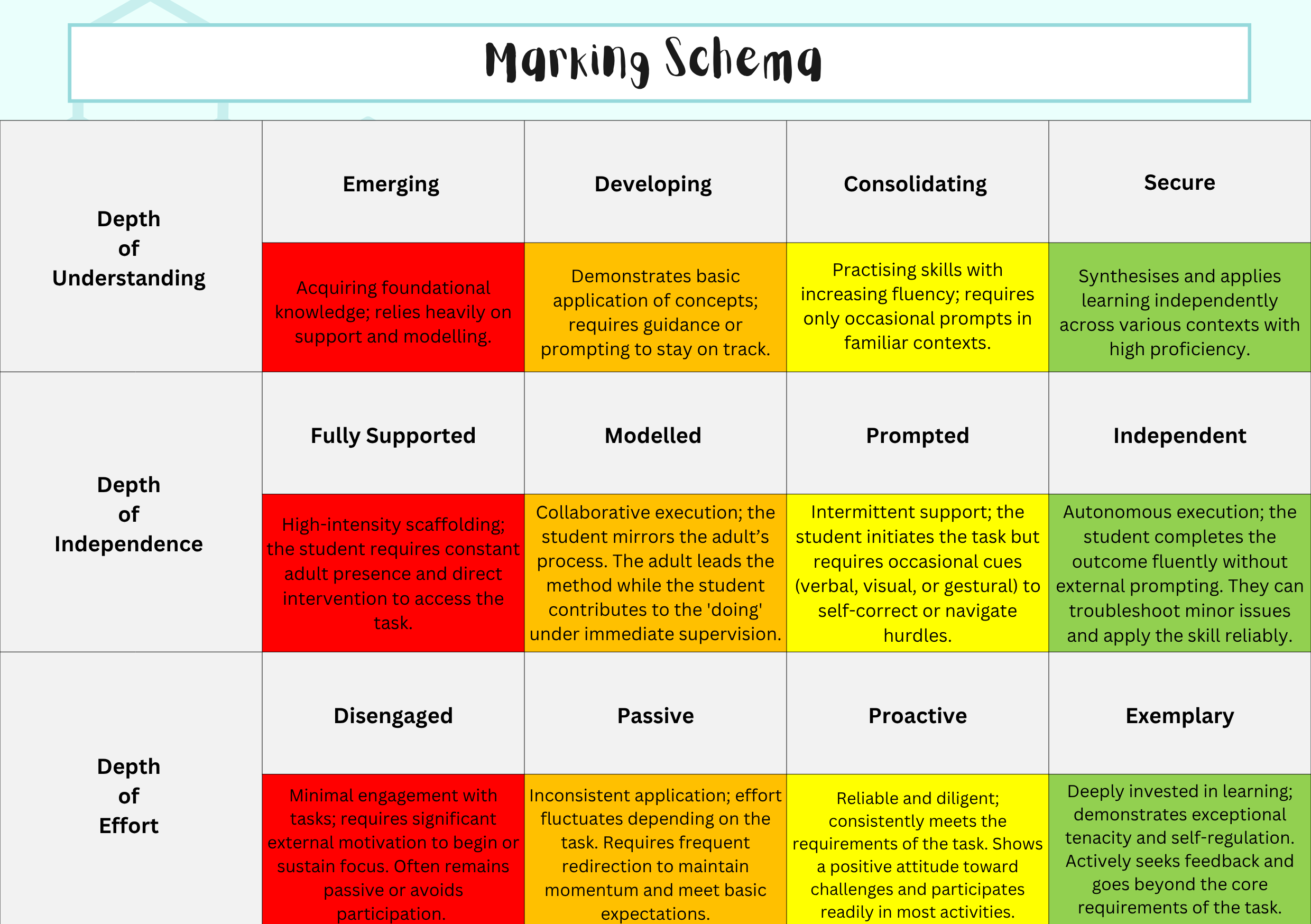
Progress is understood and communicated through:
- depth of understanding
- depth of independence
- depth of effort
Assessment draws on observation, dialogue, practical outcomes, portfolios and accredited learning where appropriate. This ensures progress is recognised across academic, vocational and personal development pathways.
5. Adaptation
Teaching and planning are continually refined in response to assessment and feedback.
Adaptation may include:
- adjusting pace or teaching approach
- revisiting or extending learning
- modifying support and scaffolding
- reshaping future planning
This ensures learning remains responsive within an adaptive framework, personalised and focused on sustained progress over time.